

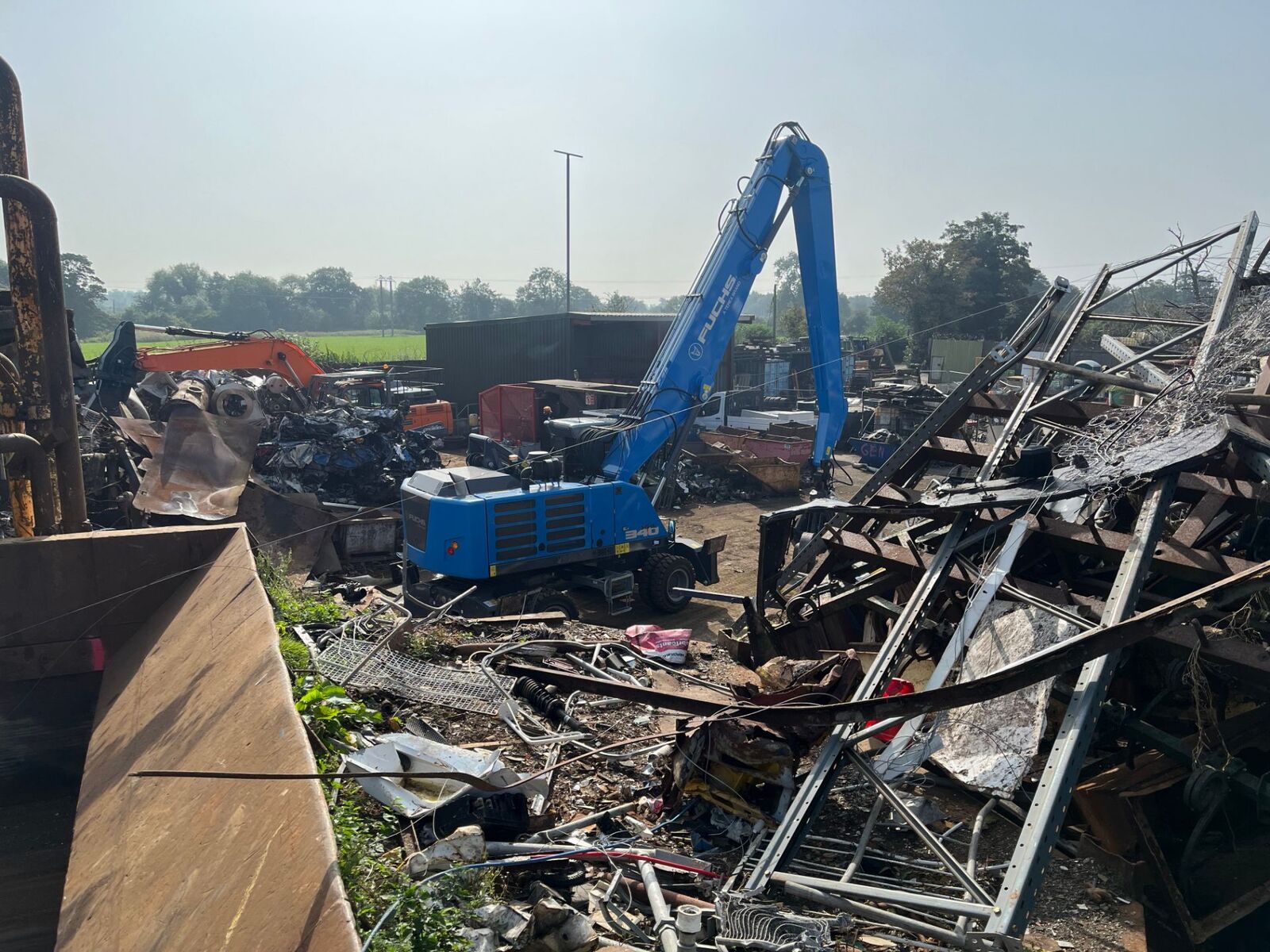
Every load that comes into the yard starts with the same question: is it ferrous or non-ferrous? It decides which pile it goes in and, broadly, what it is worth.
The difference in one line
Ferrous metals contain iron: mild steel, cast iron, plate, girder, light iron. Non-ferrous metals do not: copper, brass, aluminium, lead, zinc, stainless steel and the alloys of those.
Ferrous scrap is heavy and plentiful, so it is worth less per kilo. Non-ferrous is scarcer and worth considerably more, which is why sorting pays.
The magnet test
Hold a magnet against the metal. A firm pull means iron is present and you are looking at ferrous scrap. No pull means non-ferrous.
Where the test misleads
- Stainless steel — non-ferrous for pricing purposes, but many grades are still slightly magnetic
- Chrome or galvanised plating — shiny does not mean non-ferrous; the base metal is usually steel
- Painted or coated items — check a bare edge or a cut face
- Mixed assemblies — a motor, a radiator or a valve can be two or three metals bolted together
Quick recognition tips
Copper is unmistakable once bright — a reddish shine under the surface oxide. Brass is yellow and much heavier than it looks. Aluminium is light and does not rust, though it goes dull grey. Lead is very heavy, soft and can be marked with a thumbnail. Cast iron is dull grey and breaks rather than bends.
When in doubt, bring it
You do not have to get this right — it is our job. Bring the load in and we will identify and grade it in front of you. If you would rather know before you set off, ring 01270 611447 and describe what you have.