

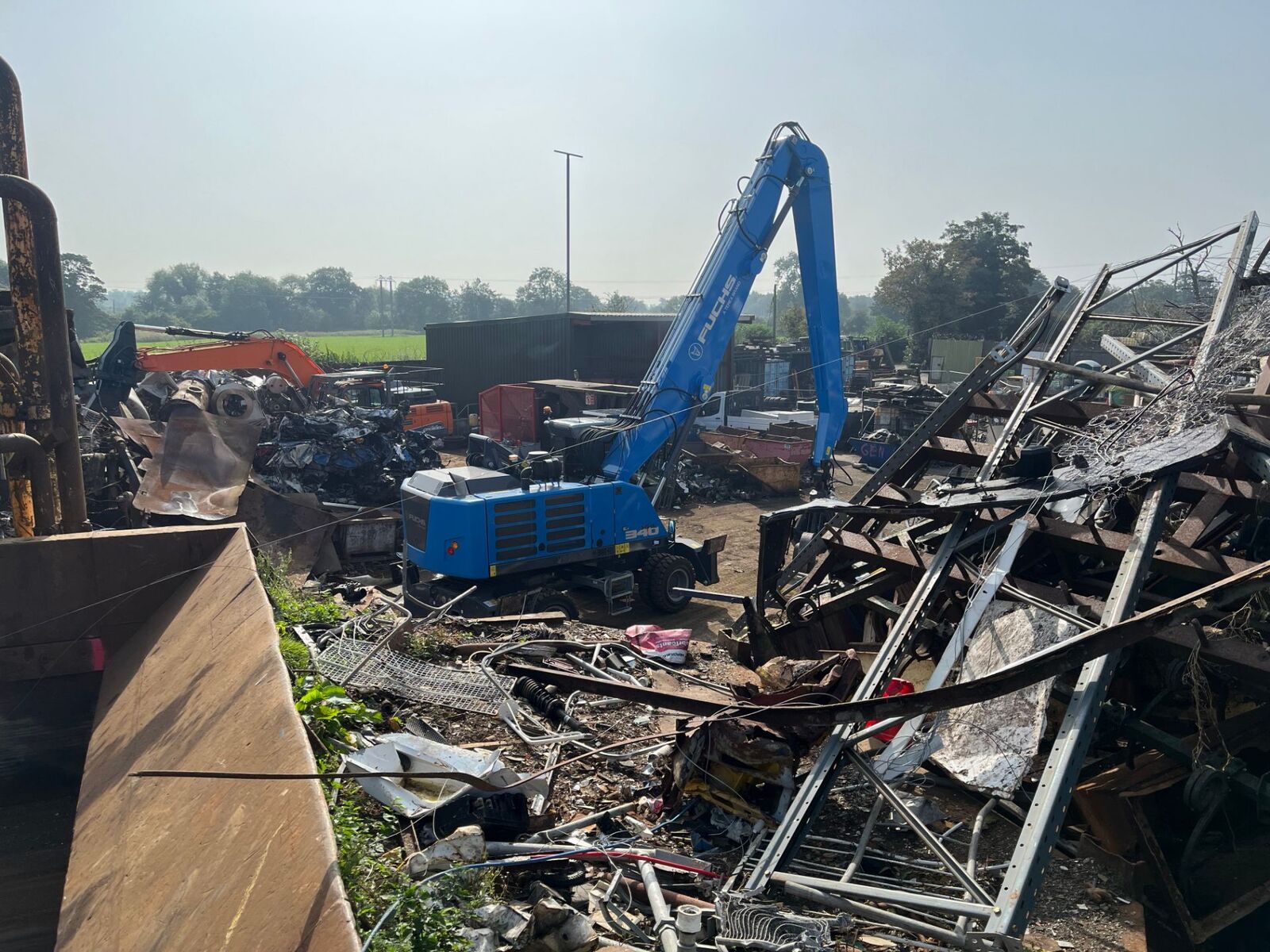
Scrap is paid by grade, and a grade is only as good as its worst contents. If copper is buried in a bin of steel, the whole bin becomes steel. Sorting is the single easiest way to be paid more for the same metal.
Start with the magnet
A fridge magnet is the only tool you need to begin. If it sticks, the metal is ferrous — steel or iron, the lower-value group. If it does not stick, it is non-ferrous, which is where the money usually is: copper, brass, aluminium, lead, stainless steel.
Separate the non-ferrous by type
- Copper — pipe and clean wire are the best grades; painted or soldered copper grades lower
- Brass — taps, fittings and valves; keep gun metal separate if you can tell it apart
- Aluminium — window frames, ladders, wheels, cans; keep clean sheet away from cast
- Lead — flashing and pipe, kept clean
- Stainless steel — sinks, catering equipment, some pipework; a magnet is a poor guide here, so ask us
Keep cable on its own
Cable is priced on the copper inside it, so it is graded separately from both copper and steel. Coiling it and keeping the heavy stuff apart from thin flex helps. Never burn it.
Things that need a word first
Fridges, freezers and air-conditioning units contain gases and need special handling. Gas bottles, fuel tanks, oil drums, fire extinguishers and anything that has held chemicals may not be accepted as they are. Electrical items and circuit boards are handled differently again.
A quick call to 01270 611447 before you load up saves a wasted journey.
Presentation helps
Cut long lengths down so they load safely, keep buckets and bins to metal only, and try not to bury the good stuff at the bottom of the trailer. It all speeds up the weigh-in and means the grading is right first time.