
An end-of-life vehicle cannot simply be crushed. It has to be de-polluted at an authorised facility, the DVLA has to be told, and you should end up with a Certificate of Destruction. Here is how it works.
De-pollution comes first
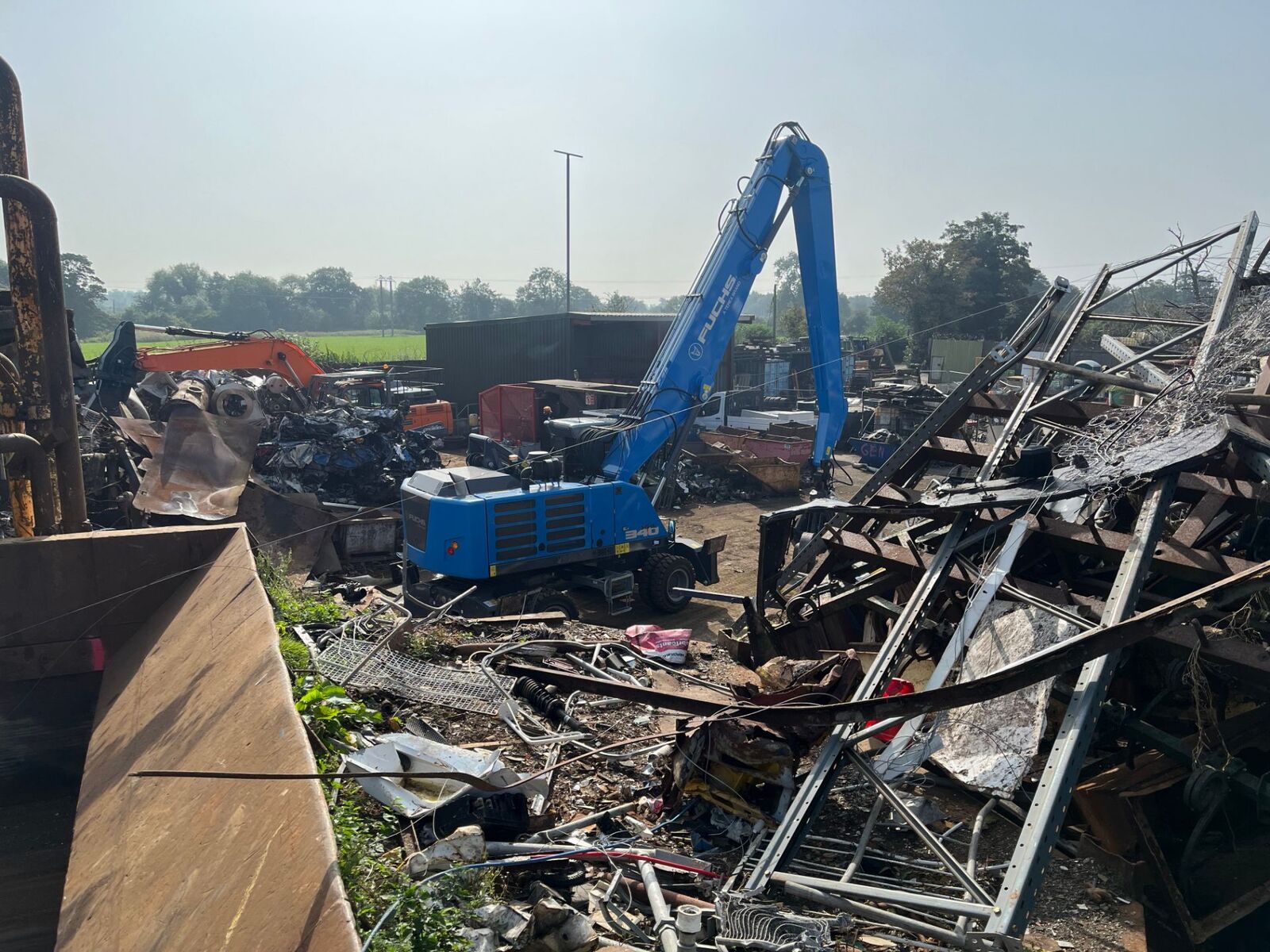
Fuel, oils, brake fluid, coolant, screen wash, battery, tyres and airbags all have to be removed and dealt with properly before the shell is processed. That work is why vehicles must go to an authorised treatment facility rather than to a field.
The paperwork that protects you
Bring the V5C log book if you have it. We notify the DVLA that the vehicle has been scrapped and a Certificate of Destruction is issued, which is your proof that the car is off your hands and no longer your responsibility for tax or fines.
If the log book is lost the vehicle can usually still be scrapped, but tell us up front so the notification is handled correctly.
Payment is by bank transfer
As with any scrap metal, cash payments for vehicles are not permitted. Payment goes by bank transfer to the person named on the ID and, where possible, the registered keeper.
What affects what a car is worth
Weight is the starting point, so a big estate is worth more than a small hatchback. A complete car with its catalytic converter, wheels and battery in place is worth more than one that has been picked over. Whether it can be driven or has to be lifted makes a difference to collection.
Values move with the scrap market, so we will not quote a figure on a web page. Ring 01270 611447 with the make, model and rough condition and we will tell you what we can do today.
Before it goes
- Take the number plates off if you are keeping a private registration — this must be transferred before scrapping
- Clear personal belongings, and check under the seats and in the boot
- Remove any toll or insurance devices
- Cancel your insurance and any direct debits once the Certificate of Destruction is issued