
· 3 min read
Scrap yards are not usually thought of as environmental businesses, but recycling metal is one of the oldest and most effective forms of resource recovery there is. Every tonne that comes through the gate is a tonne that does not have to be mined.
Metal does not wear out
Unlike many materials, steel and aluminium can be melted and re-formed repeatedly without losing their structural properties. A steel beam can become a car panel and then a washing machine. That is why merchants talk about grades and feedstock rather than waste.
Recycled feedstock takes far less energy than ore
Producing metal from ore means mining, transporting and refining rock before any metal appears. Melting clean scrap skips almost all of that, which is why recycled aluminium in particular is dramatically less energy-hungry than primary production, and why furnaces compete for good scrap.
Less mining also means less land disturbance, less spoil and less water use.
Recycling starts on your side of the gate
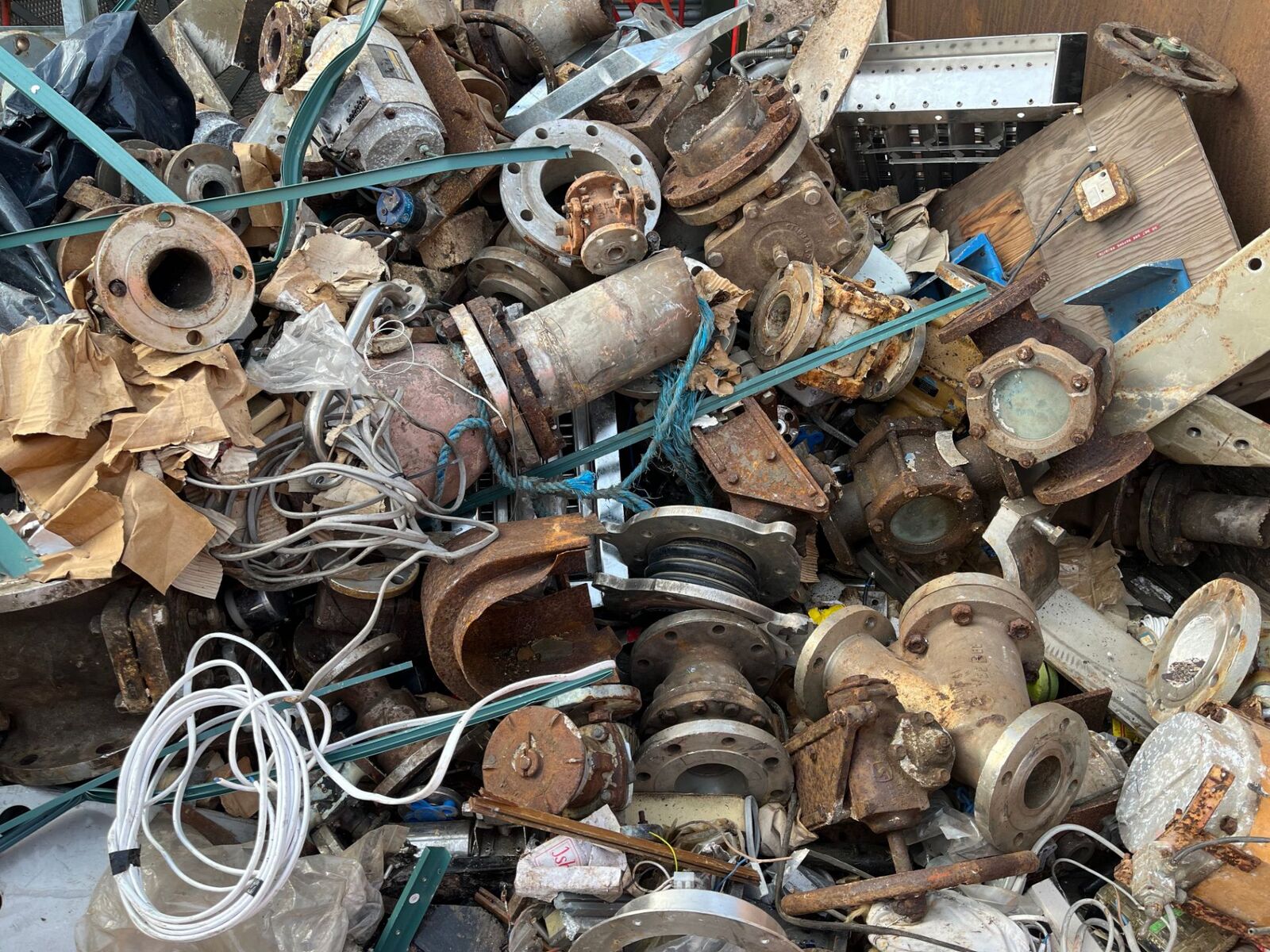
Contamination is the enemy. Oil, plastic, timber and concrete all have to be removed and dealt with, and mixed loads get graded down to their worst content. A sorted load is a cleaner, more efficient melt as well as a better-paid one.
Keeping metal out of skips and landfill
Metal buried in a general waste skip costs you twice: you pay to dispose of it and you lose its value. On any refurbishment, strip-out or clearance, keep the metal aside. Where there is enough of it we can put a bin on site so it never enters the general waste stream.
Locally handled, properly documented
We have been recycling metal from the Nantwich yard for decades, with waste transfer paperwork for business customers and traceable records for everything we buy. If you want to know how your material is handled, ask us — ring 01270 611447.