

· 4 min read
People are often surprised that the figure we quote on a Monday is not the figure we quote a fortnight later. Scrap metal is a raw material traded on world markets, and a yard in Nantwich sits at the end of a very long chain. These are the things that move it.
It starts with the mills and smelters
Scrap steel goes to furnaces; copper, brass and aluminium go to smelters and refiners. When those buyers are busy, they compete for feedstock and prices firm up. When order books thin out, they buy less and pay less, and that works its way back down the chain to the yard gate within days.
Non-ferrous metals are also priced against international exchange rates, so the underlying market can move while your load is still in the van.
Energy and shipping costs
Melting metal is energy intensive. When electricity and gas costs rise, processors have less room in their buying prices. Freight matters too — a lot of processed scrap moves by sea, so container availability and fuel costs feed into what a merchant can pay.
Grade and contamination
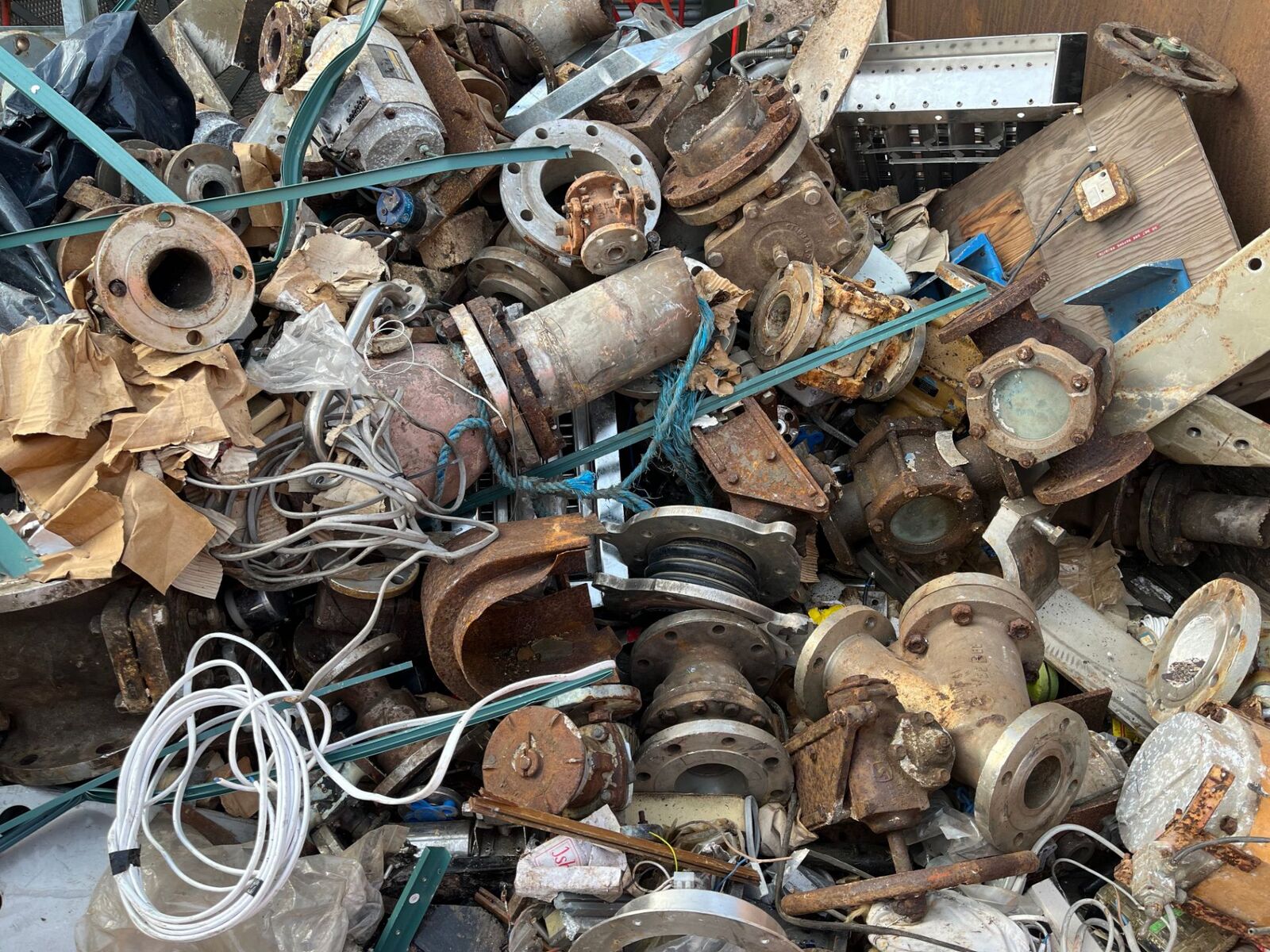
Two loads of the same weight can be worth very different amounts. A grade is only as good as its worst contents: copper buried in a bin of steel is paid as steel. Oil, plastic, concrete, timber and rubber all have to be dealt with, and that cost comes off the value of the load.
This is the part you control, and it usually makes more difference than the market does in any given week.
Season and supply
Demolition and construction slow down over winter, so less scrap arrives in yards and competition for it rises. Farm clear-outs cluster before and after harvest. A big local dismantling job can flood one grade for a month.
How to make the market work for you
- Sort before you come in — the biggest gain is nearly always in the grading, not the timing
- Keep cable, copper and brass separate and clean
- For a large load, ring ahead and we will tell you how the market is looking
- Do not chase the market with a small load; the fuel costs more than the swing
- Ring 01270 611447 on the day you plan to come in for the current figure
Why we never publish a price list
Any figure printed on a website is out of date almost immediately, and a price list is how customers end up disappointed at the weighbridge. We would rather tell you what we are paying today, over the phone, for what you actually have.